02.2025
What is solar energy?
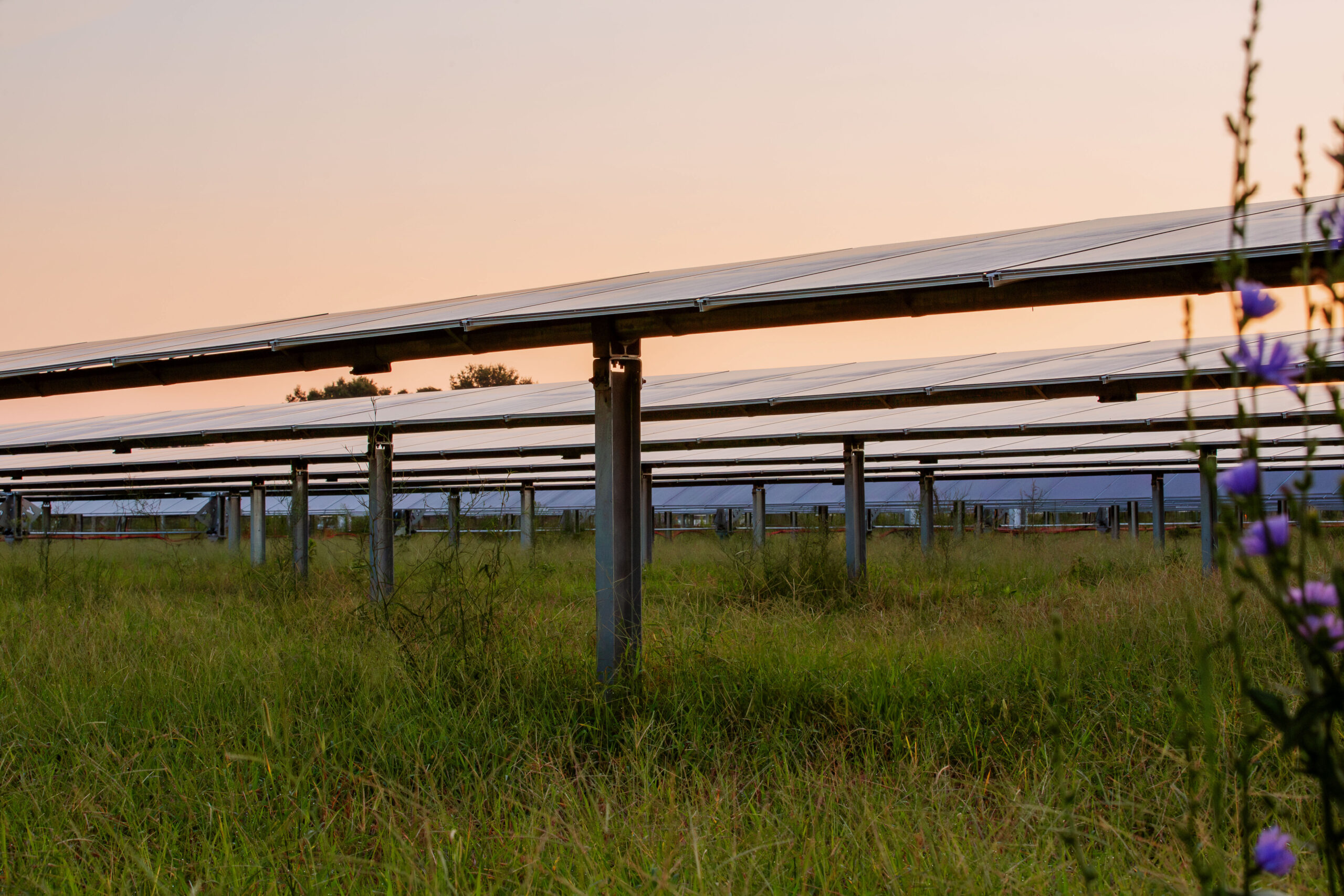
Solar energy is a source of energy derived and generated from the sun’s rays. Solar energy is created by nuclear fusion that occurs in the sun. But how does solar energy work?
The energy from the sun can be converted into electricity using solar panels, known as the ‘photovoltaic effect’ (PV) or into thermal energy for heating. Solar energy is a renewable and abundant resource that can be harnessed in various climates. It plays a key role in reducing dependence on fossil fuels.
What are the benefits of solar energy?
Solar energy offers numerous benefits, including that it can help meet the world’s energy demands without emitting greenhouse gases. This allows us to meet our climate goals through the development of a renewable energy source.
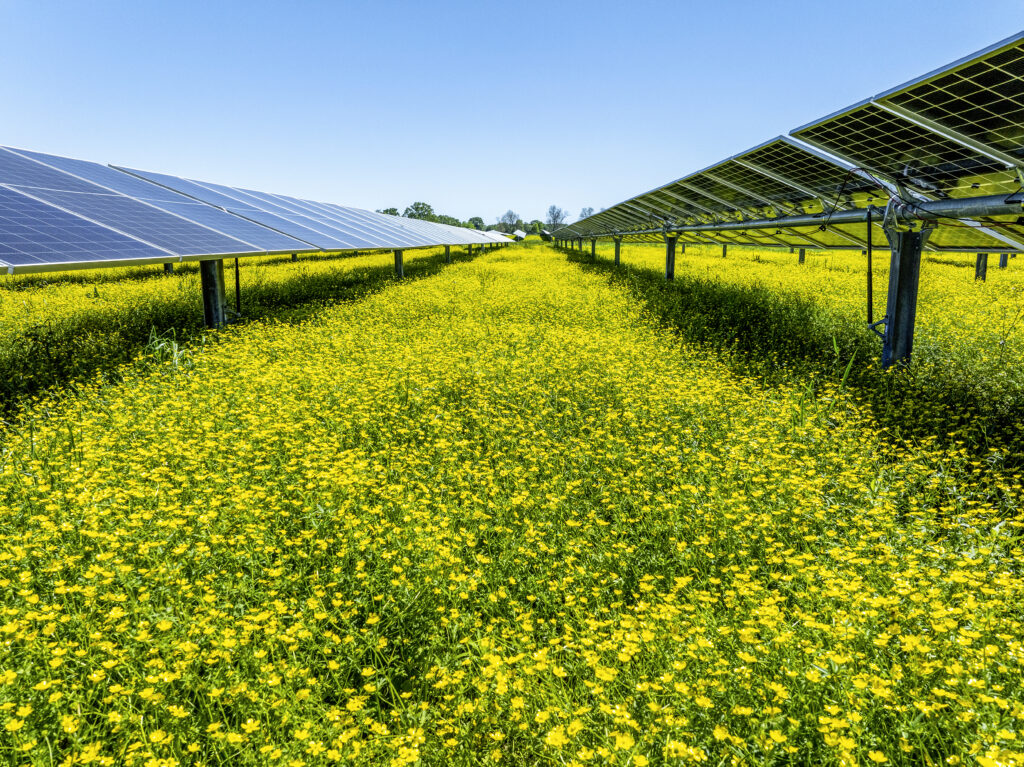
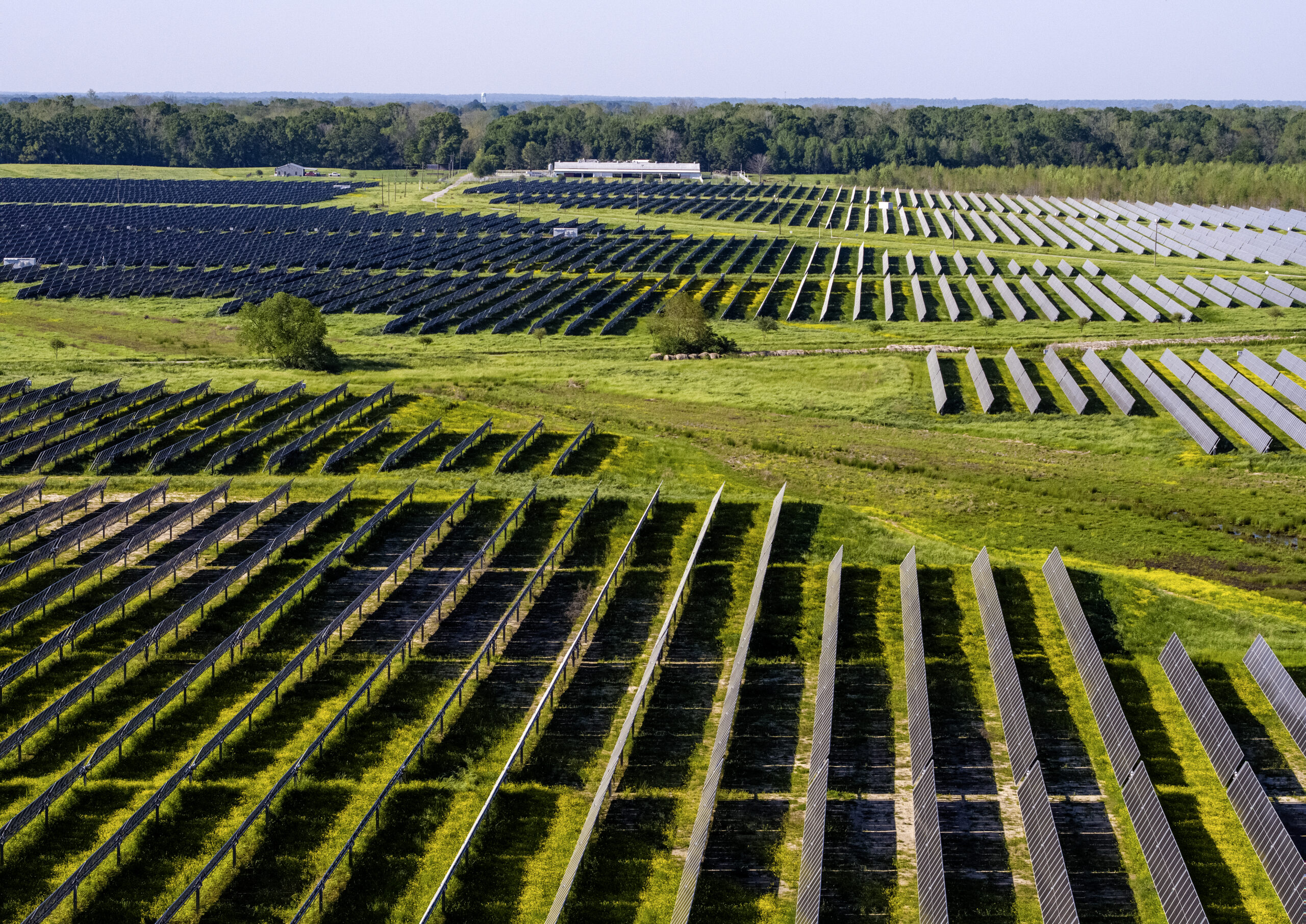
Solar farms can be installed in areas that are not considered suitable for farming, maximizing the utility of non-productive land. They also require relatively low maintenance and can be used across the globe, as everywhere gets sunshine.
What are the challenges of solar energy?
The challenges of solar energy include the high initial costs of purchasing and installing solar panels. Solar energy production can be inconsistent due to weather conditions and nighttime, requiring efficient storage solutions. Additionally, large-scale solar farms require significant land use, which can lead to conflicts over land resources.
How much solar energy do we need?
The amount of solar energy required differs from country to country, depending on energy demands and pathways for reducing carbon emissions. Globally, according to the International Energy Agency, in order to achieve an annual solar PV generation level of approximately 8 300 TWh in 2030, in line with the Net Zero Scenario, up from the current 1 300 TWh, will require annual average generation growth of around 26% during 2023-2030. This requires substantial investment in solar infrastructure and policy ambition and addressing challenges such as grid integration.
Find out more about our solar projects here.
You may also be interested in
JERA Nex, leading the energy transition
Discover how JERA Nex advances sustainable energy with renewable projects and a goal of zero CO2 emissions by 2050.
JERA Nex expands presence in US with 395MW solar farms acquisition from Lightsource bp
JERA Nex acquires 395MW solar farms in Arkansas and Louisiana, marking its first US solar assets to boost its renewable energy portfolio.
A new renewables company to transform the global energy system
JERA Nex launches a new renewables company to accelerate the global energy transition and scale clean power solutions for a net zero future.

From a childhood in Fukushima to a career in renewable energy: Ryoma’s story
Discover Ryoma's journey from growing up in Fukushima to working in offshore wind with JERA Nex, driven by a passion for sustainable energy.