Blog 02.2025
Solar energy and wildlife preservation: Partnership with University of Arkansas
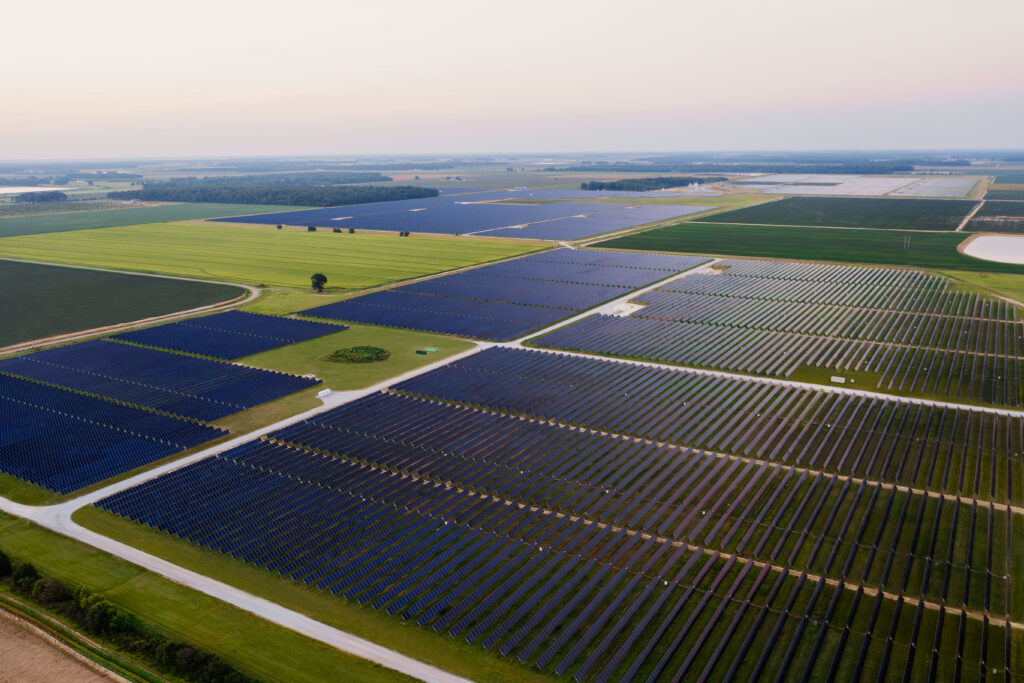
JERA Nex is announcing a new partnership with the University of Arkansas on a study to better understand how solar energy can contribute to environmental preservation. The university team of ecologists, led by Dr. J.D. Willson, will conduct research on our Happy Solar Farm in Arkansas over the course of this year.
The study examines the impact of solar arrays on the environment and natural habitats and is funded through a grant from the US Department of Energy’s Solar Energy Technologies Office (SETO). The university’s research team will conduct research across 90 solar sites in Arkansas and surrounding states.
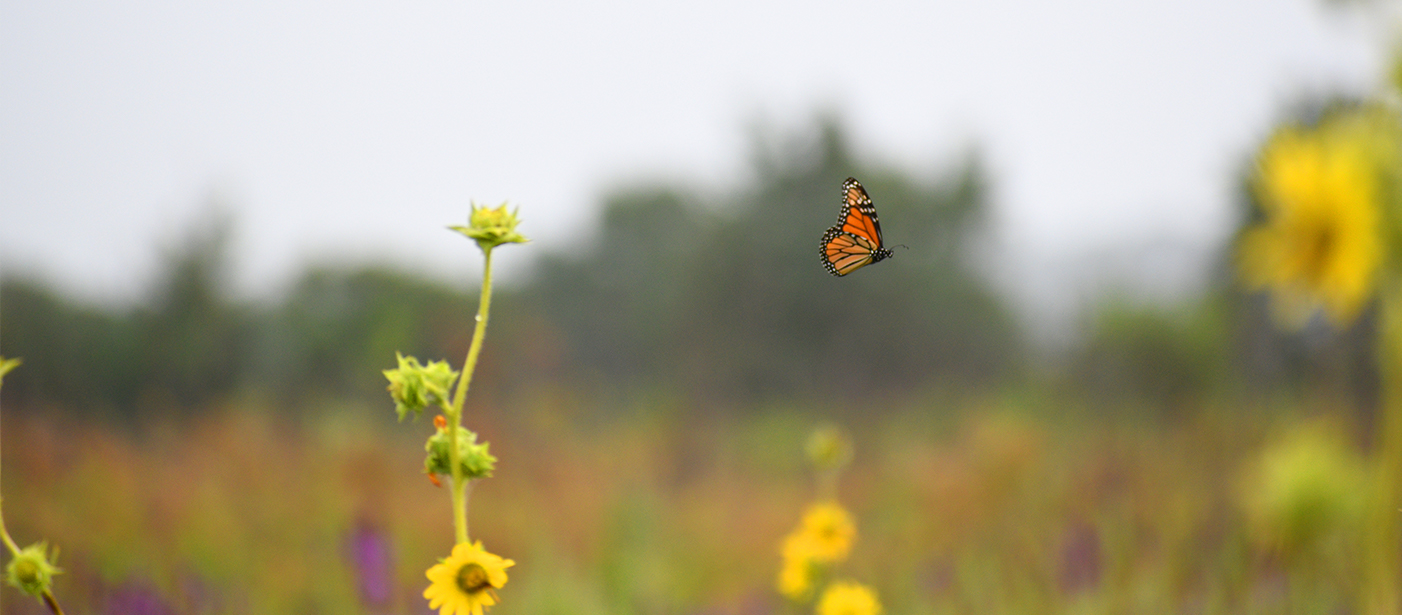
The study will use a variety of research methods including wildlife cameras, acoustic recorders, and on-site sampling to compare wildlife occupancy and species diversity, including mammals, birds, butterflies, amphibians, and reptiles. Given the existing monarch butterfly and pollinator habitat and use of sheep for grazing, Happy is a particularly interesting site for comparison.
The researchers will compare their findings with agricultural sites representative of pre-installation conditions, as well as solar sites under traditional management methods like turfgrass or gravel. Using the comparative data the study will determine the attributes and management methods that are most closely associated with increased biodiversity within solar sites.
Study objectives
1. Compare wildlife presence and species diversity in solar sites with native vegetation, agricultural land, and traditionally managed solar sites (turfgrass or gravel).
2. Identify key factors that enhance biodiversity within solar arrays.
3. Promote solar farms as conservation assets in the US.
The findings will be used to make recommendations about locating and managing solar sites to best preserve, or even enhance, wildlife populations. This will enable renewable energy developers like us to prioritise environment-positive approaches and promote the dual-use of solar farms as conservation assets.
“Preserving and enhancing the environment is a core part of our mission. The renewable energy we generate on our sites already supports our partners and communities in meeting their emissions reductions targets and transitioning to more a sustainable energy system. We’re pleased to be part of this study and the potential it has to drive the industry even further forward by promoting the dual-use of sites as wildlife habitats that enhance biodiversity.” – Alex Perkin, Programme Manager, Onshore.
Read more about Happy Solar Farm here.
Monarch butterfly image credit: Arkansas Monarch Conservation Partnership
You may also be interested in

One piece of the puzzle: Reflections from All-Energy
Insights from All-Energy Summit on renewable ambitions and the energy transition's role in combating climate change.
JERA Nex, leading the energy transition
Discover how JERA Nex advances sustainable energy with renewable projects and a goal of zero CO2 emissions by 2050.
Towards net zero: doubling onshore, tripling solar and quadrupling offshore wind
UK aims to double onshore wind, triple solar, and quadruple offshore wind by 2030 to boost renewable energy and reach net zero emissions.
Navigating geopolitical uncertainties to build a sustainable energy system
Explore how cooperation between public and private sectors is key to overcoming challenges and building a sustainable energy system.