03.2026
What is colocation?
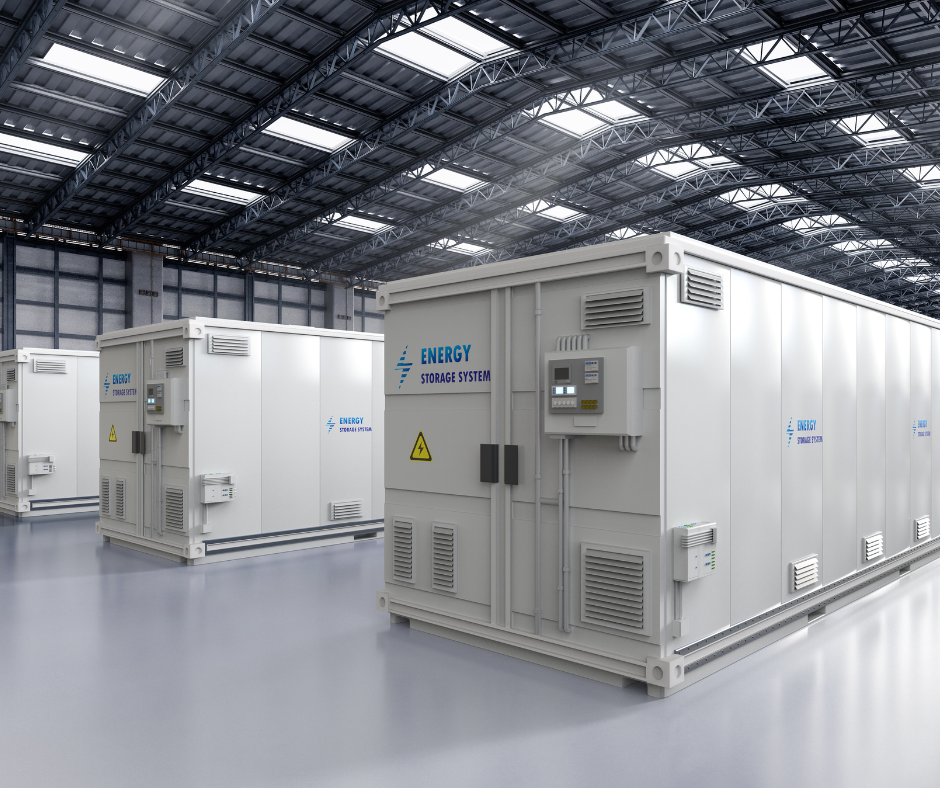
Colocation in the energy sector refers to the practice of developing two or more energy technologies on the same site and connecting them to a shared grid connection. Most commonly, this involves pairing renewable generation, such as solar or wind, with battery energy storage systems (BESS).
Rather than building separate projects with separate grid infrastructure, colocation allows multiple technologies to operate side by side, making better use of land, grid capacity and investment. As renewable energy technologies scale rapidly, colocation is becoming an increasingly important way to deploy clean power more efficiently.
How does colocation work?
In a colocated project, generators and battery storage are connected behind the same grid connection point. For example, a solar farm may generate electricity during the day, supplying power directly to the grid. Any excess electricity that cannot be exported due to grid constraints can be stored in the on-site battery system.
Later, when demand increases or solar output falls, the stored energy can be discharged to the grid. In some cases, the battery may also charge from the grid when electricity prices are low and discharge when prices are higher, helping to balance supply and demand.
By sharing infrastructure such as substations and grid connections, colocated projects can reduce development costs and shorten timelines compared to standalone developments.
Why is colocation important for the energy transition?
As more renewable energy comes online, managing intermittency and grid congestion becomes more complex. Solar and wind generation are intermittent, meaning output is variable and weather-dependent. Without flexibility, this variability can place strain on the electricity system.
Colocation provides that flexibility. By integrating battery storage directly with renewable generation, energy can be stored when supply is abundant and released when it is needed most. This helps stabilize the grid, reduce curtailment of renewable power and improve overall system efficiency.
Colocation also supports better use of limited grid capacity. In many markets, grid connections are scarce and highly sought after. Sharing a connection between technologies allows more clean energy capacity to be deployed without requiring entirely new infrastructure.
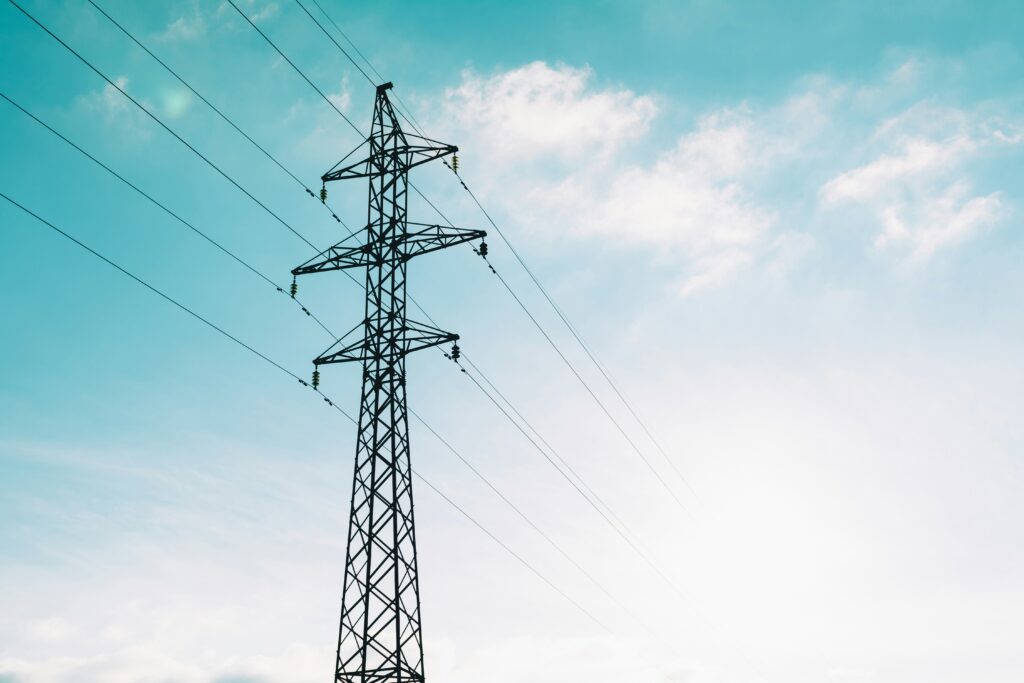
What are the considerations for colocation?
Colocation requires careful planning and coordination to unlock its full value. Designing projects that enable both renewable generation and battery storage under a shared grid connection requires advanced modelling and a strong understanding of market dynamics.
Colocation also creates new opportunities through revenue stacking, enabling projects to generate income from energy trading, capacity markets and grid balancing services. This allows developers and operators to maximize the value of their assets and respond flexibly to changing market conditions.
Regulatory and planning frameworks are continuing to evolve in many regions to accommodate colocated assets. As clarity around grid access and connection agreements improves, the pathway for developing integrated projects becomes more streamlined.
Looking ahead
Colocation represents a smarter, more integrated approach to energy development. By combining power generation and storage on a single site, it reduces grid pressure and supports a more resilient, low-carbon power system. As the energy transition progresses, colocated projects are likely to play a central role in delivering secure and sustainable electricity.
You may also be interested in
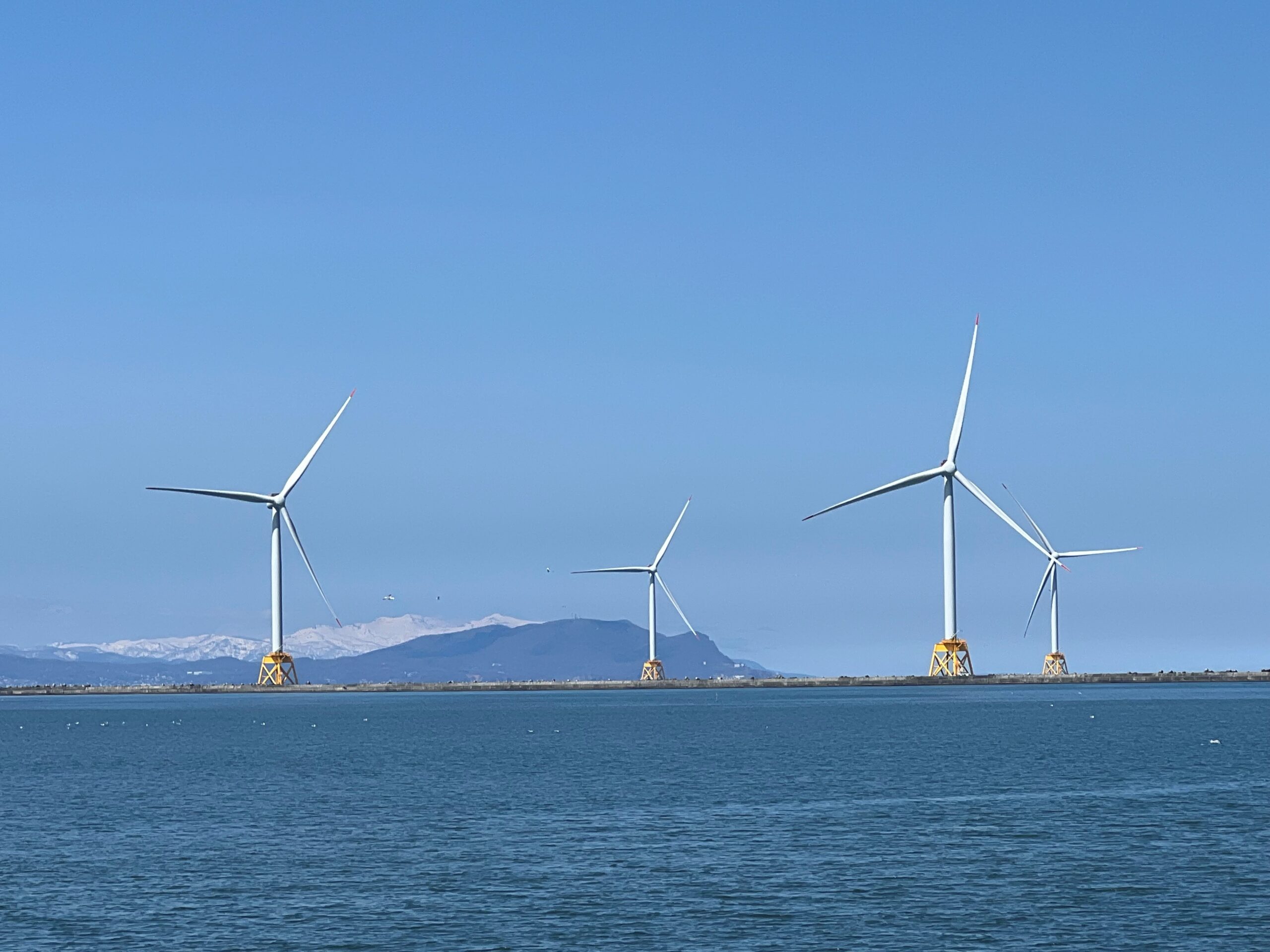
Launching JERA Nex bp
Discover the launch of JERA Nex bp, a joint venture with bp focused on offshore wind development and operations with 13GW capacity.

Scaling up battery storage to support the renewables sector: Masaya’s story
Discover Masaya's journey in advancing battery storage to boost the renewable energy sector and the future of BESS technology.

From local roots to engineering global impact: Jochem’s story
Jochem leads R&D at Parkwind, sharing insights on wind farm tech and the engineering challenges of turbine scale in renewables.
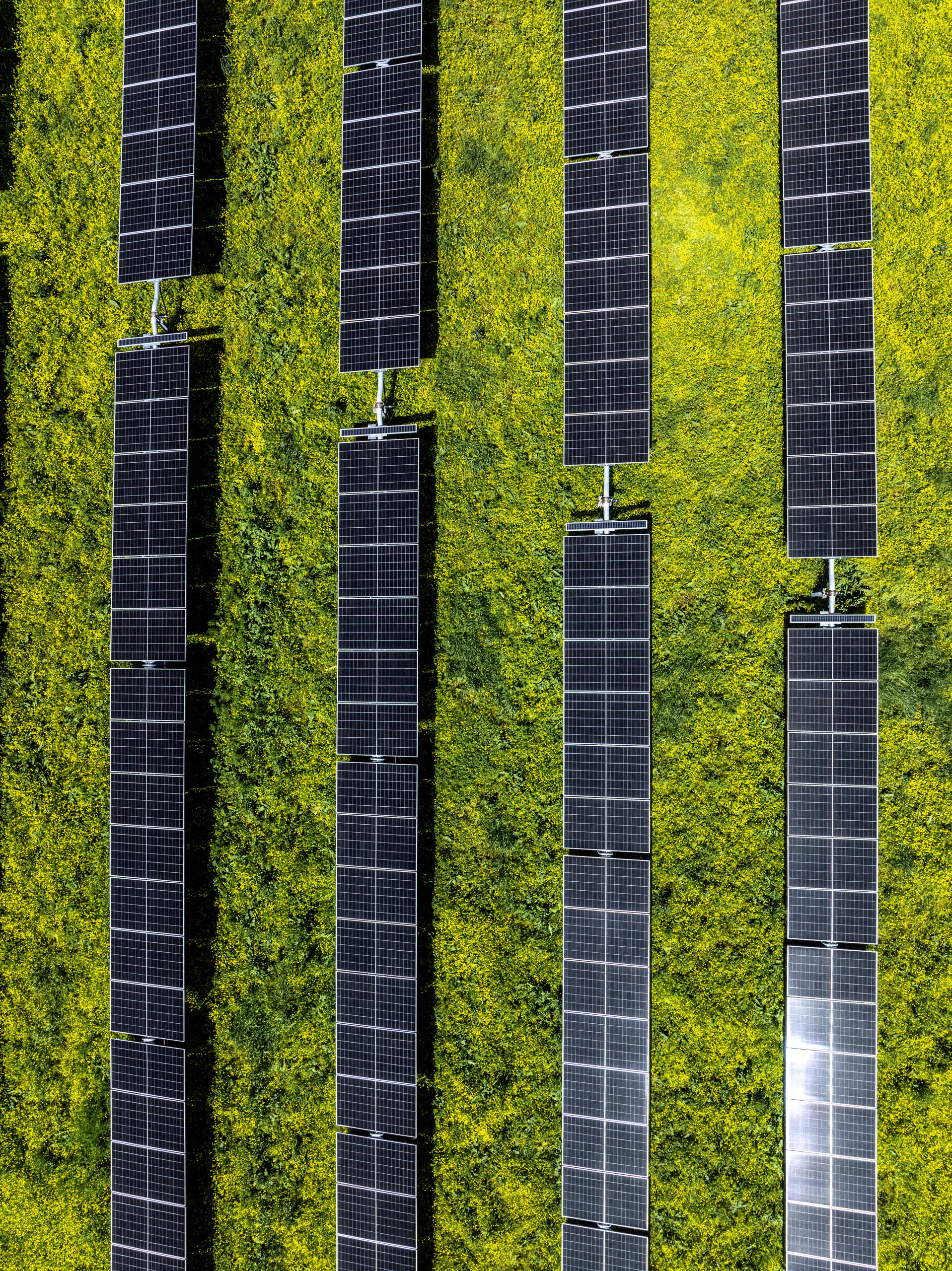
JERA Nex announces strategic partnership with Catalyst Energy Partners to advance U.S. clean energy deployment
JERA Nex teams up with Catalyst Energy Partners to accelerate clean energy projects and expand renewable energy in the US market.