02.2026
What is Agrivoltaics?
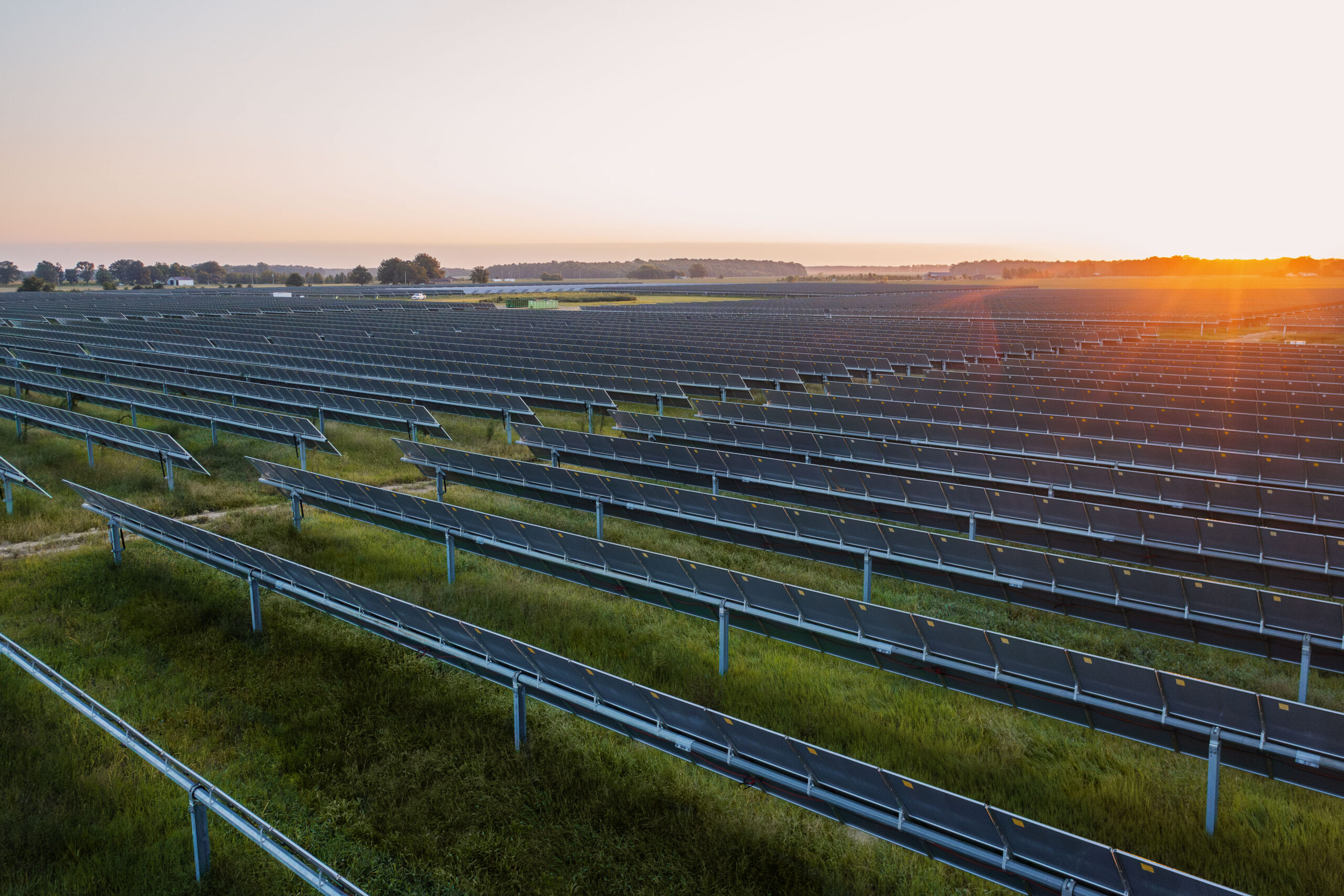
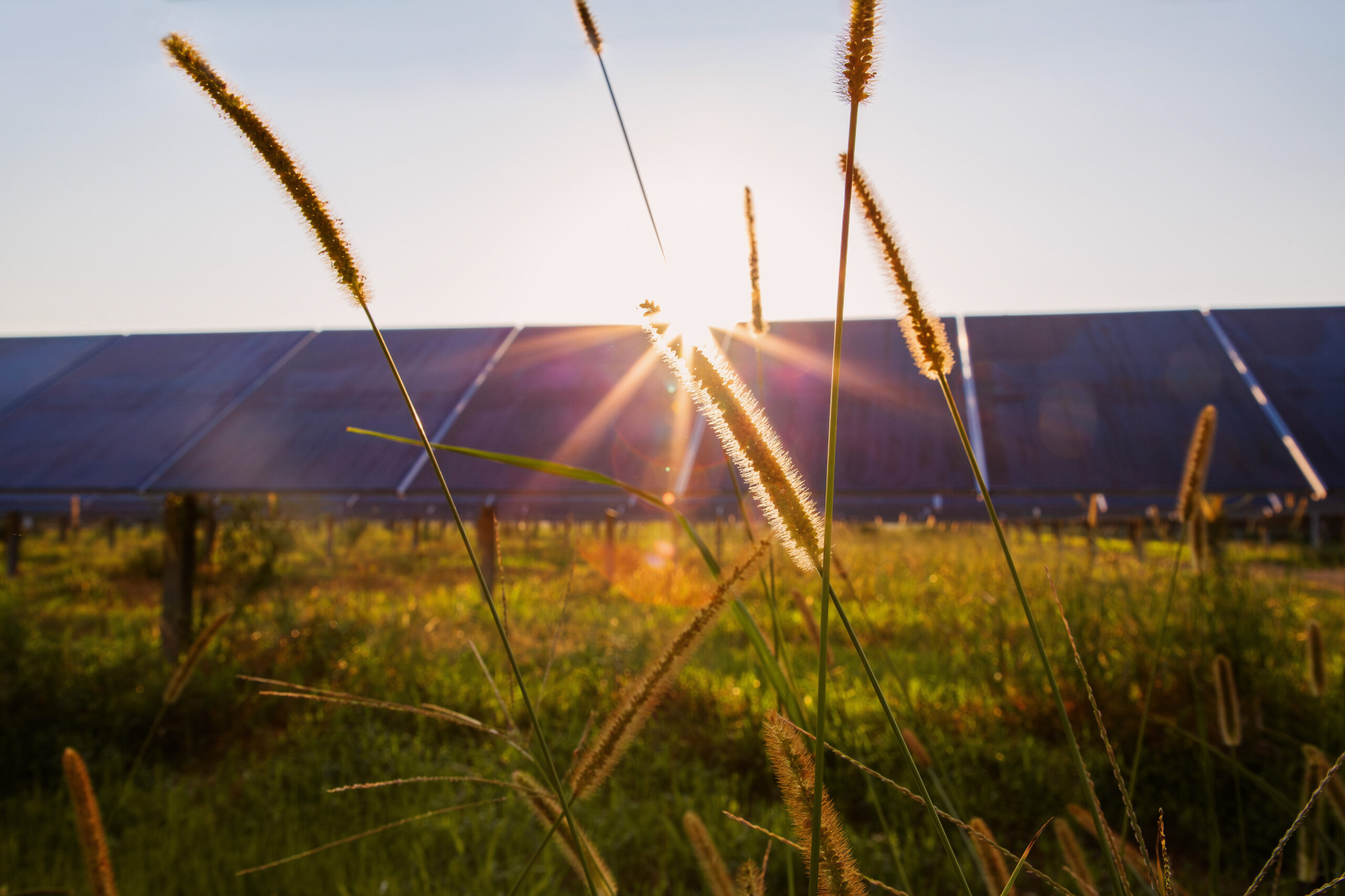
Agrivoltaics is an innovative approach that combines agriculture and solar energy production on the same land. Also known as “dual-use solar,” it involves installing solar panels above or alongside crops or grazing land. This allows food production and renewable energy generation to occur simultaneously.
In a time of limited land availability and growing demand for clean energy, agrivoltaics offers a way to maximize land value while supporting the energy transition.
How does agrivoltaics work?
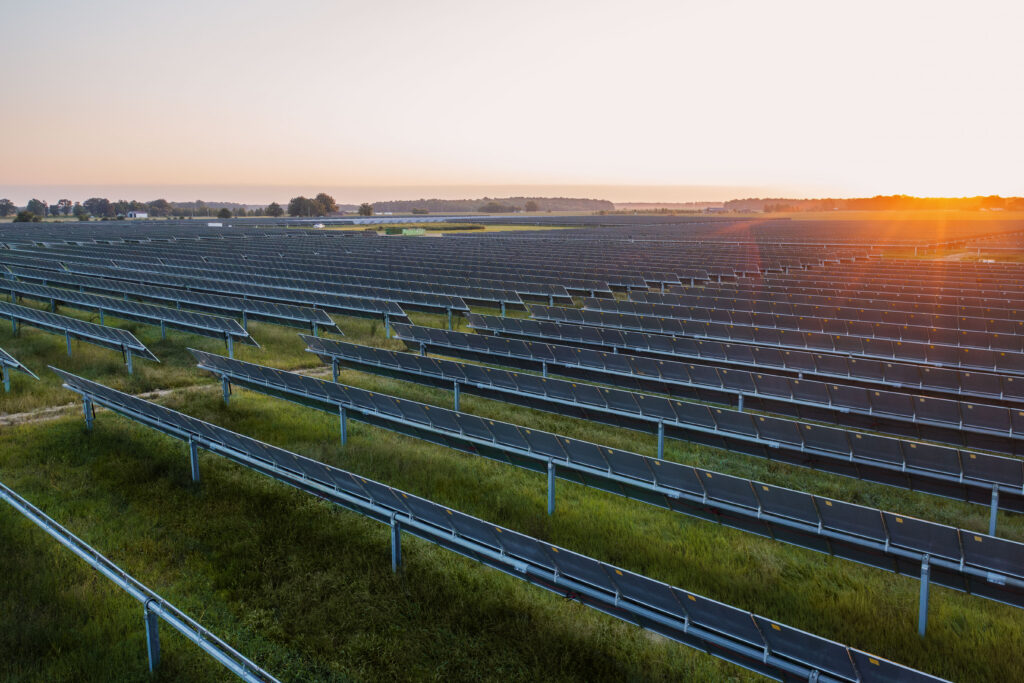
In an agrivoltaics system, solar panels are mounted higher or spaced further apart than in traditional solar farms. This design allows enough sunlight to reach the crops below and provides enough space for farming machinery or livestock to move around freely.
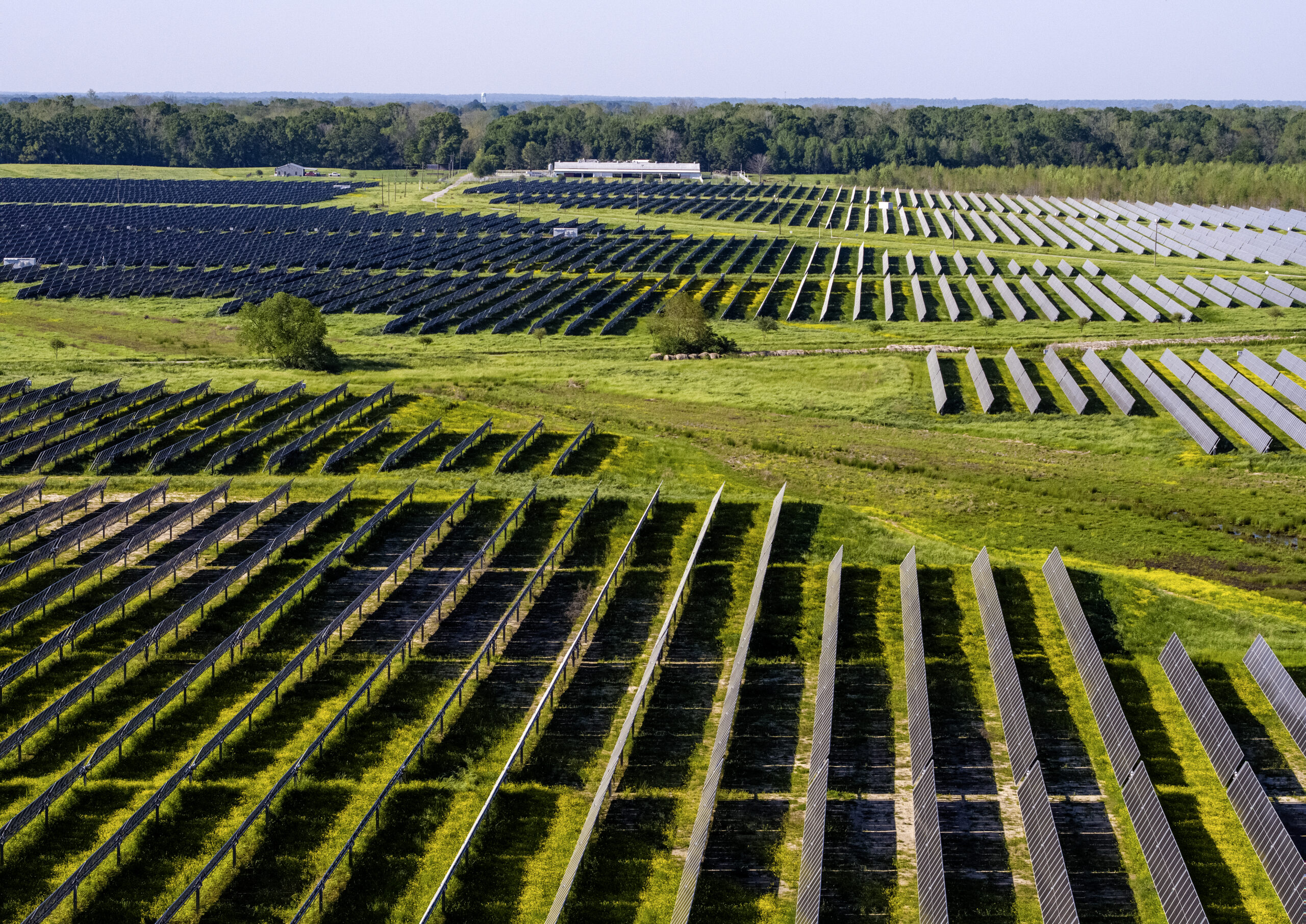
The setup can vary depending on the agricultural activity. For instance, the panels may be arranged in rows above arable crops, elevated above fruit and vegetable farms, or integrated into pastureland for grazing animals. Each system is carefully designed to balance energy generation with the needs of the land and farmers.
What are the benefits of agrivoltaics?
One key benefit is more efficient land use. By producing food and clean energy on the same site, agriculture and renewable energy development can coexist, benefiting both sectors.
Agrivoltaics can also support agricultural productivity. Solar panels provide partial shade, which can protect crops from extreme heat, reduce water evaporation, and shield plants from heavy rain and wind. This can lead to improved crop resilience and more stable yields, especially as climate conditions become more unpredictable.
Agrivoltaics can also create an additional income stream for farmers through energy generation, helping to improve the long-term viability of agricultural businesses.
What are the challenges of agrivoltaics?
Despite its potential, agrivoltaics is not without challenges. Designing systems that effectively generate energy and support farming requires thoughtful planning and site-specific expertise. Installation costs can be higher than those of traditional solar farms due to elevated structures and customized layouts.
Additionally, more long-term data is needed on crop performance, biodiversity impacts, and system efficiency across different climates and farming types to maximize the impact of agrivoltaics. Clear policies and planning frameworks will be crucial in promoting wider adoption.
Why is agrivoltaics important for the energy transition?
Scaling up renewable energy is essential to achieving net zero, yet large-scale solar projects often raise concerns about land use and environmental impact. Agrivoltaics addresses these concerns by integrating renewable energy into existing rural landscapes.
By enabling the development of more solar capacity without reducing food production, agrivoltaics supports energy and food security. It also fosters collaboration between the energy and agriculture sectors, which will become increasingly important as the demand for clean power grows.
Find out more about our solar projects here.
You may also be interested in
JERA Nex, leading the energy transition
Discover how JERA Nex advances sustainable energy with renewable projects and a goal of zero CO2 emissions by 2050.
JERA Nex expands presence in US with 395MW solar farms acquisition from Lightsource bp
JERA Nex acquires 395MW solar farms in Arkansas and Louisiana, marking its first US solar assets to boost its renewable energy portfolio.
A new renewables company to transform the global energy system
JERA Nex launches a new renewables company to accelerate the global energy transition and scale clean power solutions for a net zero future.

From a childhood in Fukushima to a career in renewable energy: Ryoma’s story
Discover Ryoma's journey from growing up in Fukushima to working in offshore wind with JERA Nex, driven by a passion for sustainable energy.